The 7 Best Engineering Management Books
The 7 engineering management books that every EM should read. Dive deep into each book's key lessons and insights and choose your next read.
The best way to learn about engineering management is not from general 'leadership' books, but from actual Engineering Managers.
Today I'll cover the all-time best engineering management books:
- Peopleware: Productive Projects and Teams
- Become an Effective Software Engineering Manager
- An Elegant Puzzle: Systems of Engineering Management
- The Art of Leadership: Small Things, Done Well
- The Manager's Path: A Guide for Tech Leaders Navigating Growth and Change
- Leading Snowflakes: The New Engineering Manager's Handbook
- Extreme Programming Explained: Embrace Change
Here's a simple table to help you choose:
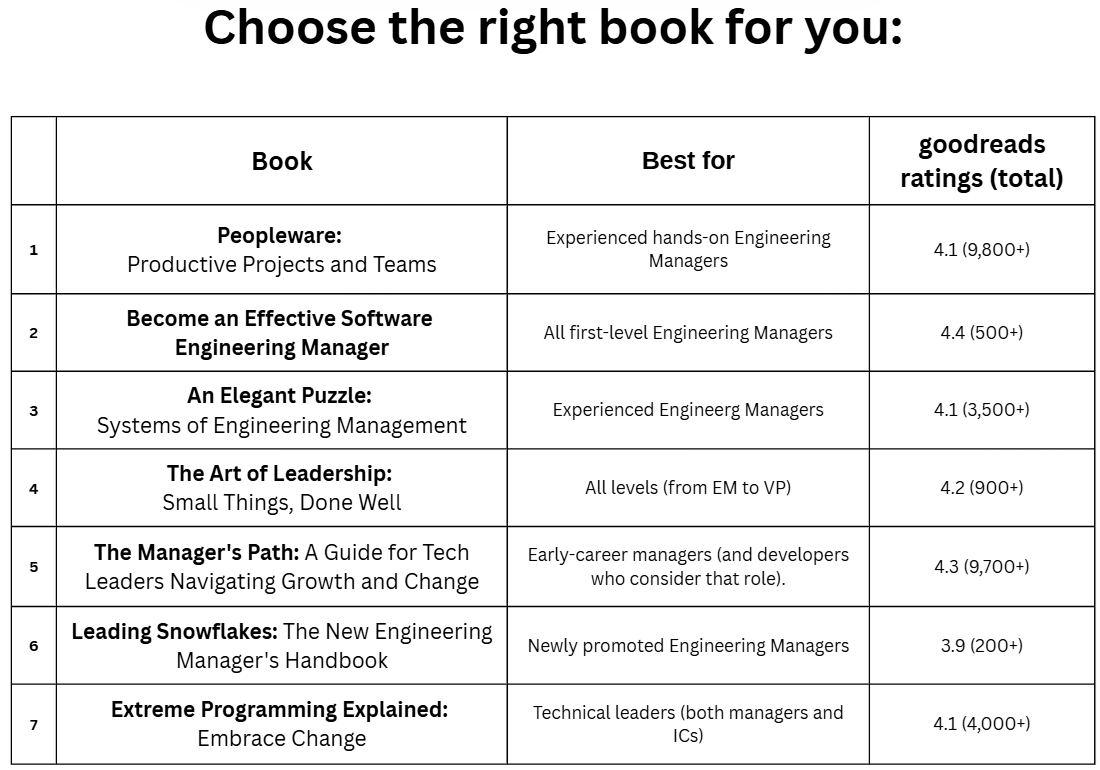
For each book, I'll share some key lessons and which audience it fits best. Most of the article consists of direct quotes from the books, with some minor changes.
Peopleware

By Tom DeMarco and Timothy Lister, 1987, 4.1 on goodreads.
Ideal audience: established managers. Best read when you have some experience.
I've had this one on my reading list for years, thinking that a book published 40 years ago has little to teach. I was so wrong!
My 3 favorite takeaways:
- Signs of a jelled team
Demarco and Lister coined the term 'Jelled Team', which is basically a dream team - and a big chunk of the book is on how to improve the odds it'll happen to YOUR team.
A jelled team group of people so strongly knit that the whole is greater than the sum of the parts. You know it when you are a part of one.
A few classic signs indicate that you have a jelled team:
- There is a sense of eliteness, team members feel they're part of something unique. They have a cocky, SWAT Team attitude that may be annoying to people who aren't part of the group.
- There is low turnover during projects and in the middle of well-defined tasks. The team members aren't going anywhere till the work is done.
- The final sign of a jelled team is the obvious enjoyment that people take in their work. Jelled teams just feel healthy. The interactions are easy and confident and warm.
You can't make teams jell. You can hope they will jell; you can cross your fingers; you can act to improve the odds of jelling - but you can't make it happen. The process is much too fragile to be controlled.
And the book offers some great tips on how to make it happen!
- A hack for not wasting people's time
The ultimate management sin is wasting people's time.
One manager we know from Apple makes a point of releasing at least one person at the start of each meeting. She allows the released person a chance to make a quick statement. She makes it clear that her choice of who gets released is not the person's relative uselessness, rather it is the importance of the work he or she will be doing instead of sitting in. The savings of a single person released are probably not huge, but the message the release sends is hard to miss.
- On free electron engineers who define their own job
If your company is fortunate enough to have a self-motivated super-achiever engineer, it's enough to say, "Define your own job." Our colleague Steve McMenamin characterizes these workers as "free electrons," since they have a strong role in choosing their own orbits.
There is a wisdom that everyone needs a firm direction, handed down from above. Most people do - they welcome a clear statement from the boss of just what specific targets are to be met to be considered a success.
Managing the ones who don't is another matter. The mark of the best manager is an ability to single out the few key spirits who have the proper mix of perspective and maturity and then turn them loose. Such a manager knows that he or she really can't give direction to these natural free electrons. They have progressed to the point where their own direction is more in the best interest of the organization than any direction that might come down from above.
It's time to get out of their way.
Become an Effective Software Engineering Manager
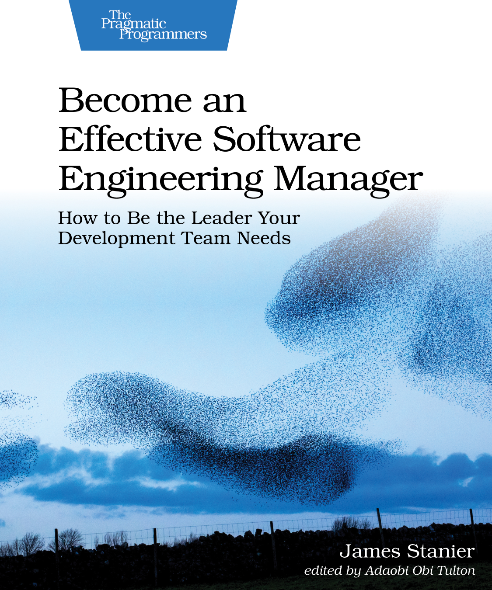
By James Stanier, 2020, 4.4 on goodreads.
Ideal audience: First-level Engineering Managers.
My favorite author on Engineering Management - covers EVERYTHING you need to know as a fresh EM. If you have to read one book, get this one. Stanier is still in the trenches, as a Director of Engineering in Shopify, and he writes The Engineering Manager.
Here are my 2 favorite lessons:
Working with Your Manager
You should pull on your manager, not wait for them to push to you. What this means is that it's up to you to get the best out of the relationship that you have with your manager.
The questions themselves can be straightforward and worked into your conversation:
- "So what's been on your mind this week?"
- "What's your biggest worry at the moment?"
- "How are your other staff doing?"
- "What are your peers working on?"
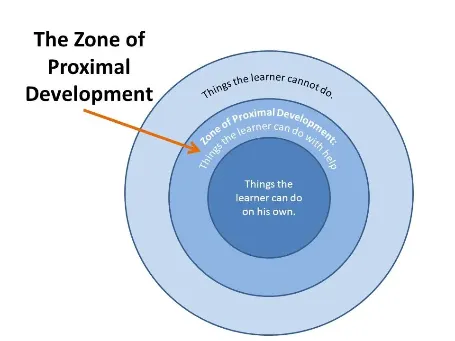
The Zone of Proximal Development
The area where an engineer cannot progress without someone with a higher skill level to assist them. Once the task is understood and completed, they can tackle more difficult tasks, expanding their zone of proximal development.
A key part of games is that the player's character gains experience as they are playing the game. This experience allows the character to level up and become more powerful. Additionally, characters often earn skill points that they can invest in themselves to get better at particular actions. You often see these skills arranged in a tree, with the achievement of one skill unlocking the ability to achieve the next, building the character's complete skill set as they progress in the game.
When you spend time with your staff in your one-to-ones, they will talk to you about their desires for their career. Perhaps one day they'd like to be a CTO in their own company, or they'd like to rearchitect the search infrastructure at Google.
As their manager, you can work with them to place these career achievements at the bottom of their own skill tree and then plan out the milestones along the way that they can aim for to make measurable progress - thus pushing the frontier of their zone of proximal development further and further.